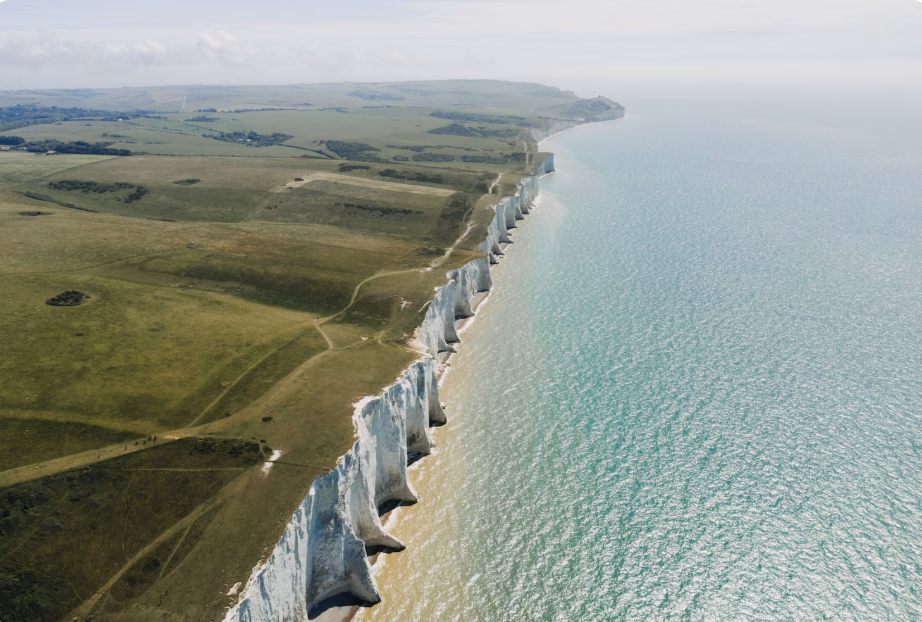
Rising sea levels pose significant challenges for coastal communities, putting buildings, roads, and infrastructure at greater risk of flooding and erosion. Supporting safer coastal living requires innovative engineering, durable materials, and long-term planning to protect both people and property. These modern approaches help ensure coastal areas remain resilient, secure, and prepared for future environmental changes. Many property owners searching for seawall construction near me services prioritize reliable shoreline protection solutions that can withstand changing marine conditions.
Understanding the Impact of Rising Seas
Coastal engineers study the effects of rising sea levels to design structures that remain safe and functional for decades. Higher tides and more frequent flooding can weaken structural support, damage materials, and accelerate erosion. Understanding these risks allows builders to anticipate future challenges and implement solutions before serious damage occurs. This proactive planning is essential for communities investing in seawall construction Miami projects designed for long-term coastal protection.
Foundations Designed for Resilience
Strong structural support is at the core of resilient coastal construction. Standard foundation systems often struggle in areas affected by changing water levels and unstable soils. Modern engineering solutions use reinforced concrete systems, advanced footing designs, and elevated structural techniques to maintain stability even as coastal conditions shift. These approaches highlight why coastal construction plays such an important role in strengthening long-term coastal resilience and protecting waterfront properties from environmental stress.
Materials That Endure Marine Exposure
Saltwater, moisture, and wave action can quickly damage traditional construction materials. Coastal projects rely on marine-grade concrete, corrosion-resistant metals, treated lumber, and advanced composite materials designed specifically for harsh waterfront environments. Protective coatings further reduce water infiltration and corrosion, helping structures remain durable for years. Property owners looking for seawall construction South Florida solutions often seek contractors experienced in using materials built for demanding coastal climates.
Designing for Flooding and Storm Surges
Rising sea levels and storm surges increase flood risks across coastal regions, making thoughtful design essential. Buildings are often elevated above projected flood levels and reinforced to withstand wind and water pressure. Carefully engineered drainage systems help redirect excess water away from structural supports, reducing long-term damage risks. These design strategies improve safety while supporting stronger and more resilient coastal communities.
Erosion Control and Shoreline Protection
As sea levels rise, erosion becomes more severe and threatens both natural landscapes and developed properties. Coastal construction uses a combination of engineered and environmentally focused solutions to stabilize shorelines. Seawalls, bulkheads, rock revetments, and living shoreline systems help absorb wave energy and reduce land loss. Working with the top seawall construction company allows property owners to implement shoreline protection strategies that support both structural safety and long-term coastal stability.
Planning for Long-Term Adaptation
Sea level rise is gradual but constant, requiring coastal projects to include long-term adaptation strategies. Structures are now designed with future upgrades in mind, allowing for additional reinforcement or elevation as environmental conditions evolve. Maintenance schedules and inspection plans also help ensure ongoing performance over time. Choosing the best seawall construction company can provide dependable protection strategies designed to adapt alongside changing coastal environments.
Integrating Environmental Considerations
Protecting coastal ecosystems is closely connected to protecting waterfront structures from erosion and flooding. Wetlands, dunes, and native vegetation act as natural barriers against waves and storm impacts. Coastal projects that preserve these natural features not only support environmental health but also improve shoreline stability. Addressing the real challenges behind coastal construction near the ocean requires balancing strong structural protection with sustainable environmental practices that benefit both communities and marine ecosystems.
Conclusion
Coastal areas face constant pressure from tides, waves, flooding, and changing environmental conditions. Engineers address these challenges through resilient structural systems, durable materials, shoreline stabilization, and long-term planning strategies. These advanced coastal construction methods help communities enjoy waterfront living while reducing risks and improving long-term resilience. Property owners searching for the best seawall construction company in Miami often prioritize experienced professionals who understand how to protect coastal investments while supporting safe and sustainable shoreline development.